The Youth Emotion Wheel & Emotional Awareness Toolkit helps children and teens build emotional vocabulary, notice body clues, and learn supportive ways to respond to big feelings. The colorful Feel It, Name It, Tame It Emotion Wheel guides youth from broad emotional categories to more specific feeling words, while reinforcing that there is no single “right” way to feel.
This resource goes beyond simply naming emotions. It includes child- and caregiver-friendly information about why emotional identification matters, how to use an emotion wheel, why it can help to start with positive emotions, interoception and body clues, HALTS, and the differences between sensations, emotions, states, feelings, thoughts, and behaviors. An expanded feelings chart gives youth even more words to describe what they are experiencing.
Caregivers and helping professionals will also find practical information about breathing, regulation, and co-regulation, with ideas for supporting children without treating emotions as problems that need to disappear. The goal is to encourage curiosity, communication, emotional awareness, and more thoughtful use of coping strategies.
Designed for parents, caregivers, counselors, therapists, teachers, school professionals, and other child-serving adults, this printable toolkit can be used at home, in classrooms, counseling offices, therapy sessions, and social-emotional learning activities. It provides an approachable way to help youth better understand the connections among their bodies, emotions, thoughts, needs, and responses.


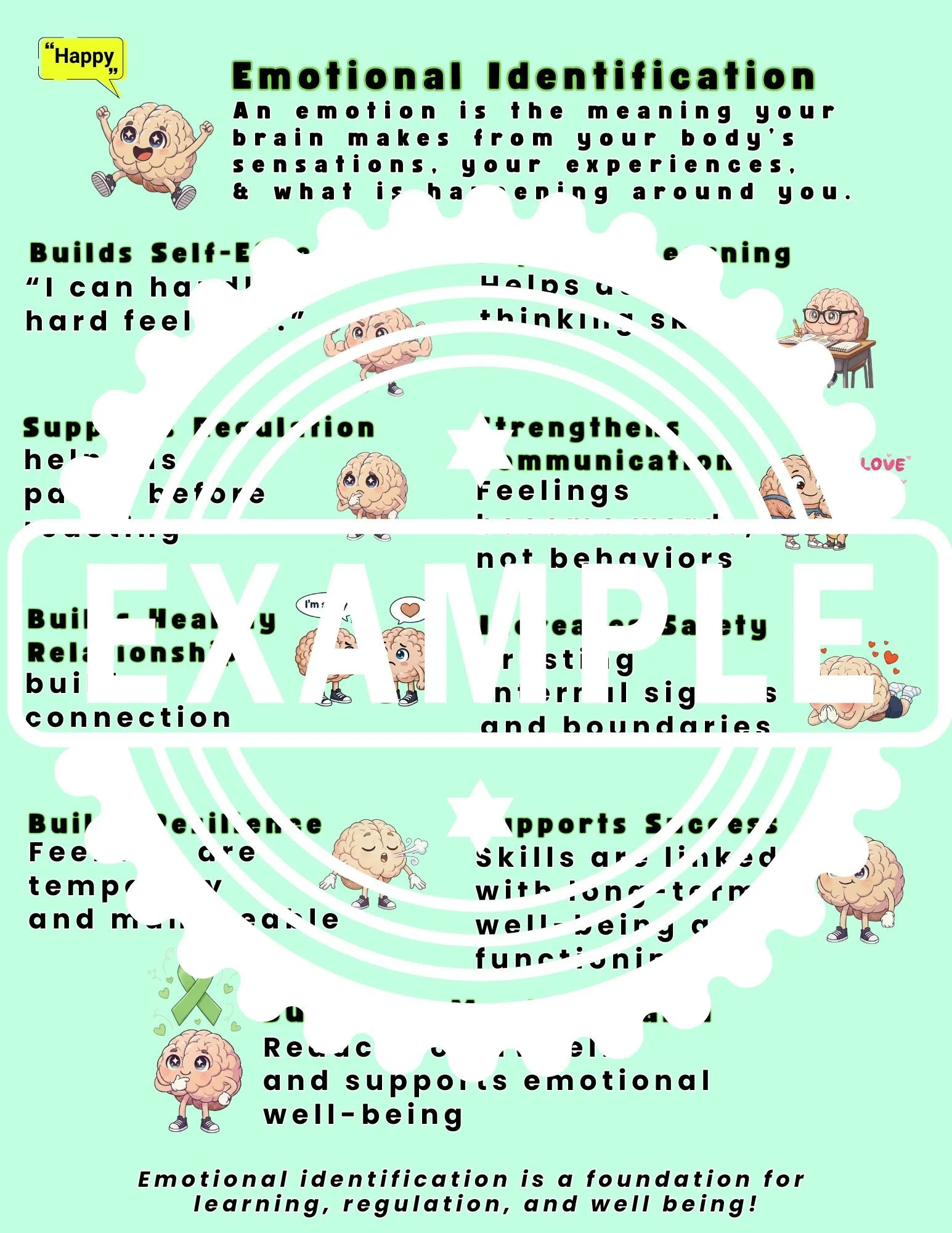 Image 1 of 19
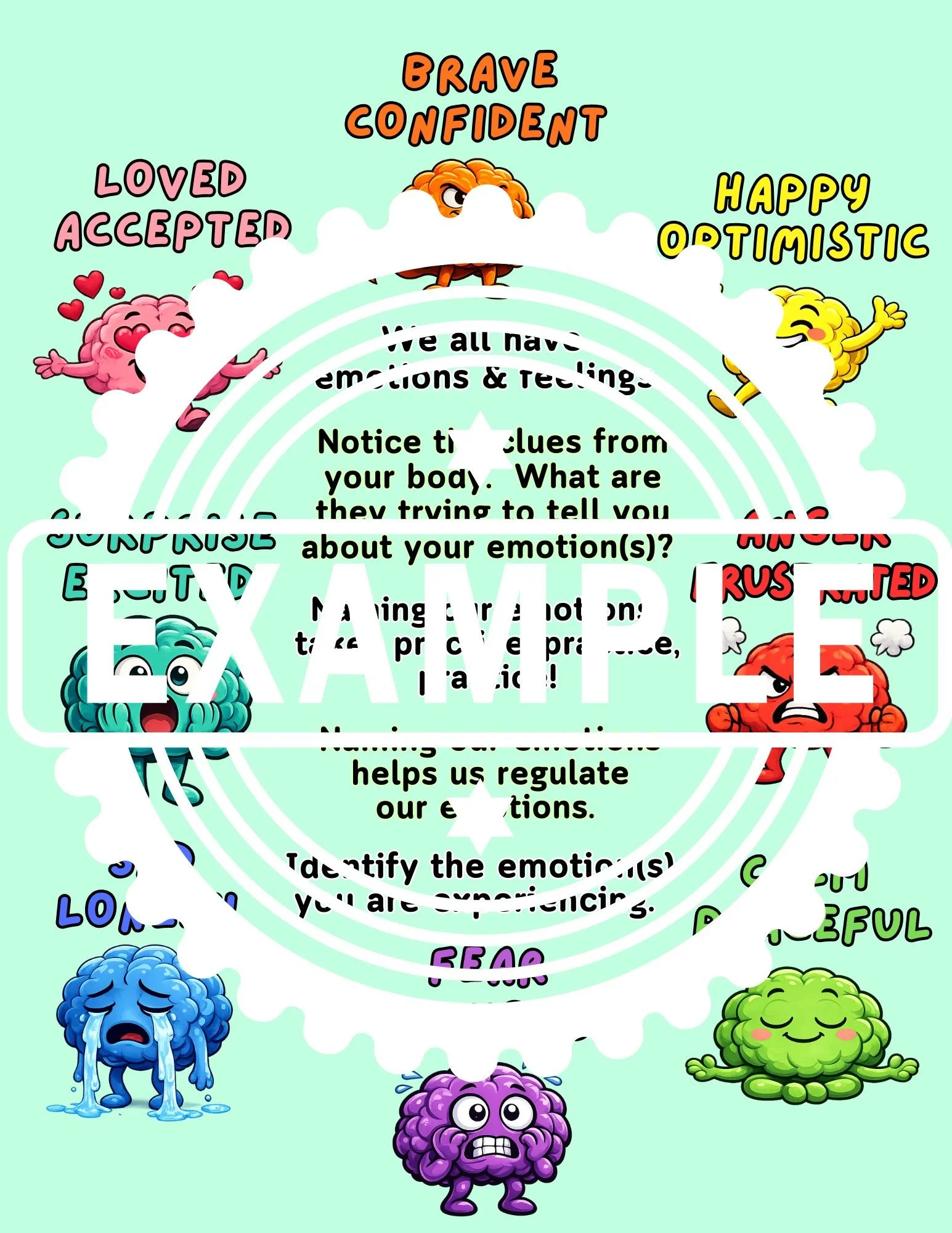 Image 2 of 19
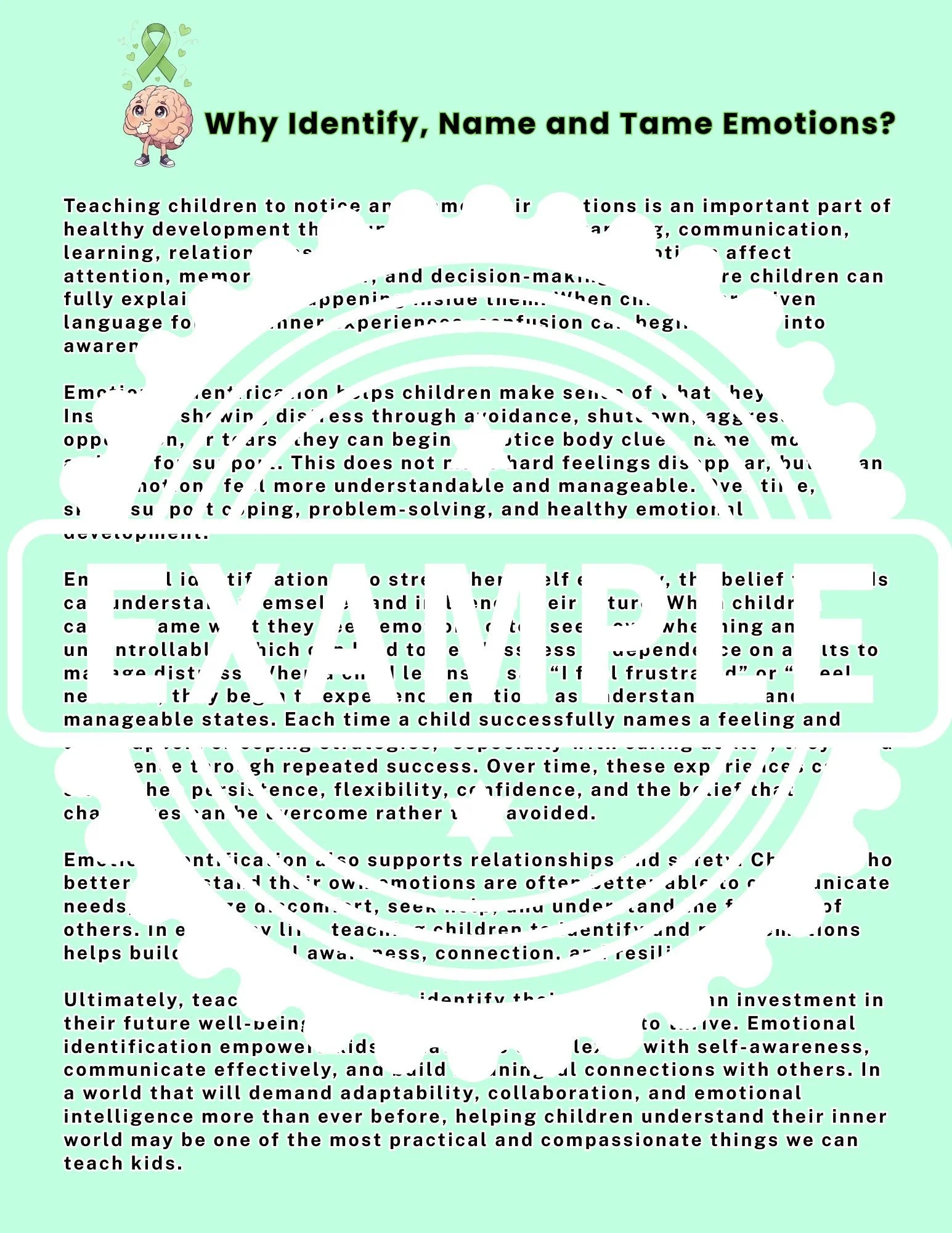 Image 3 of 19
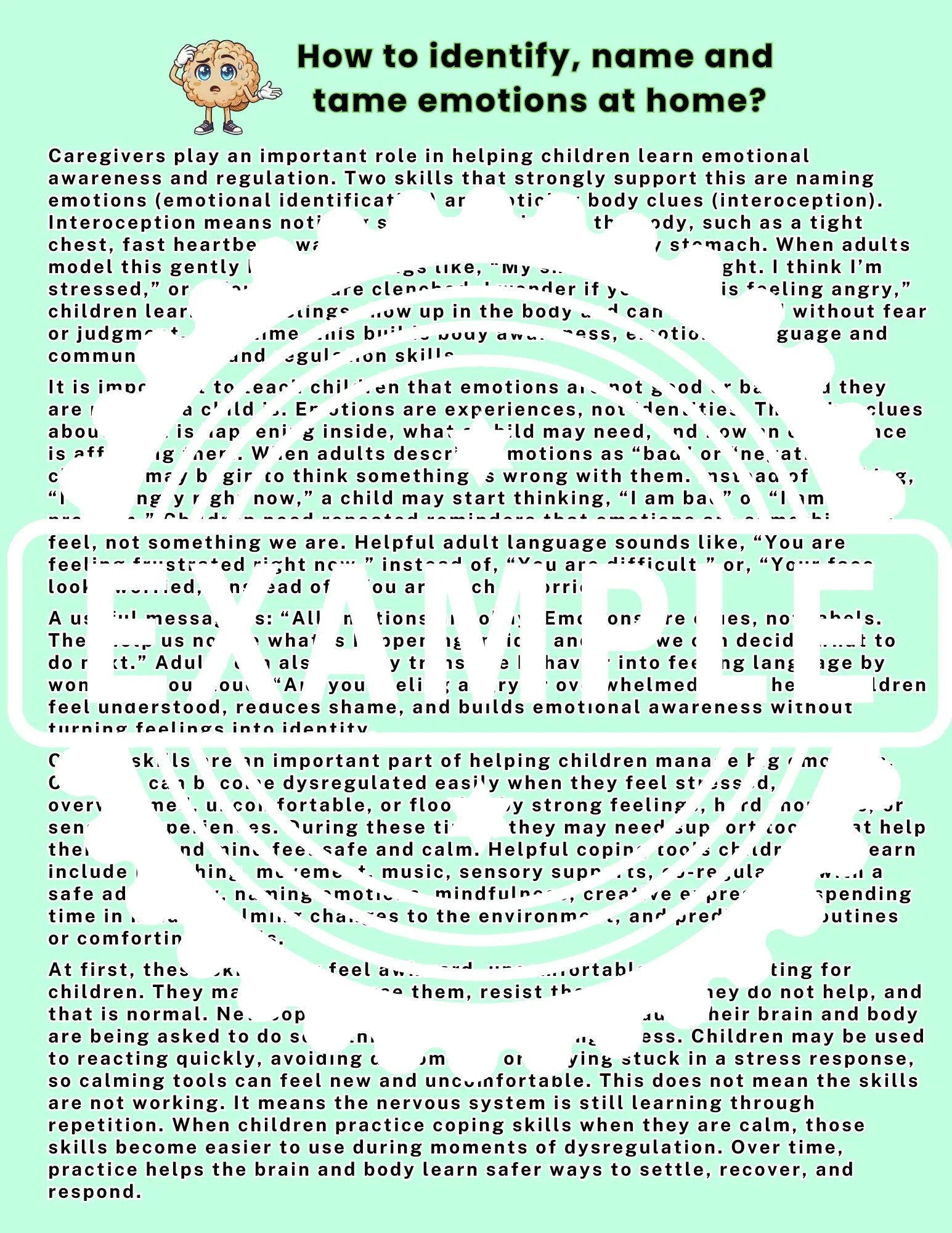 Image 4 of 19
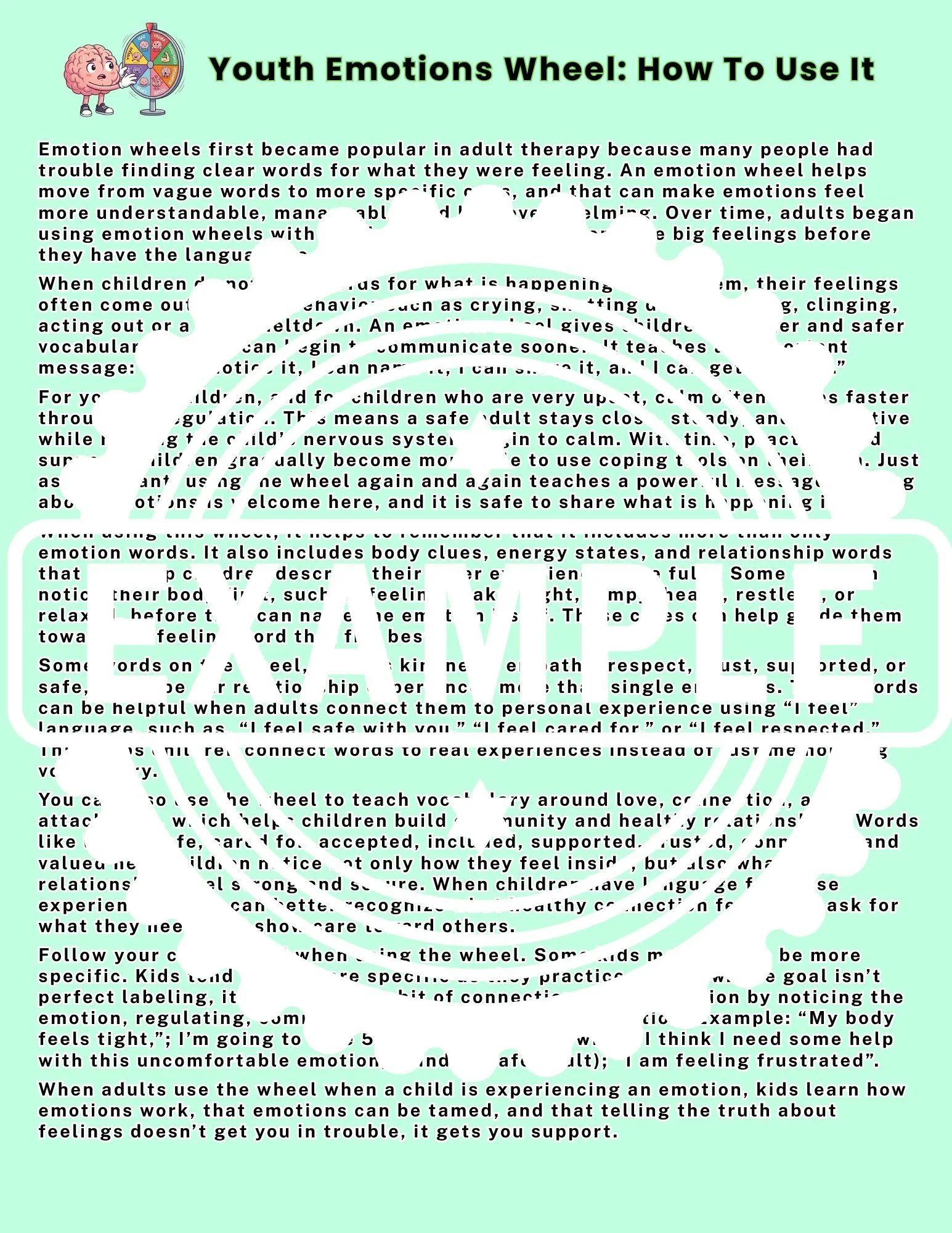 Image 5 of 19
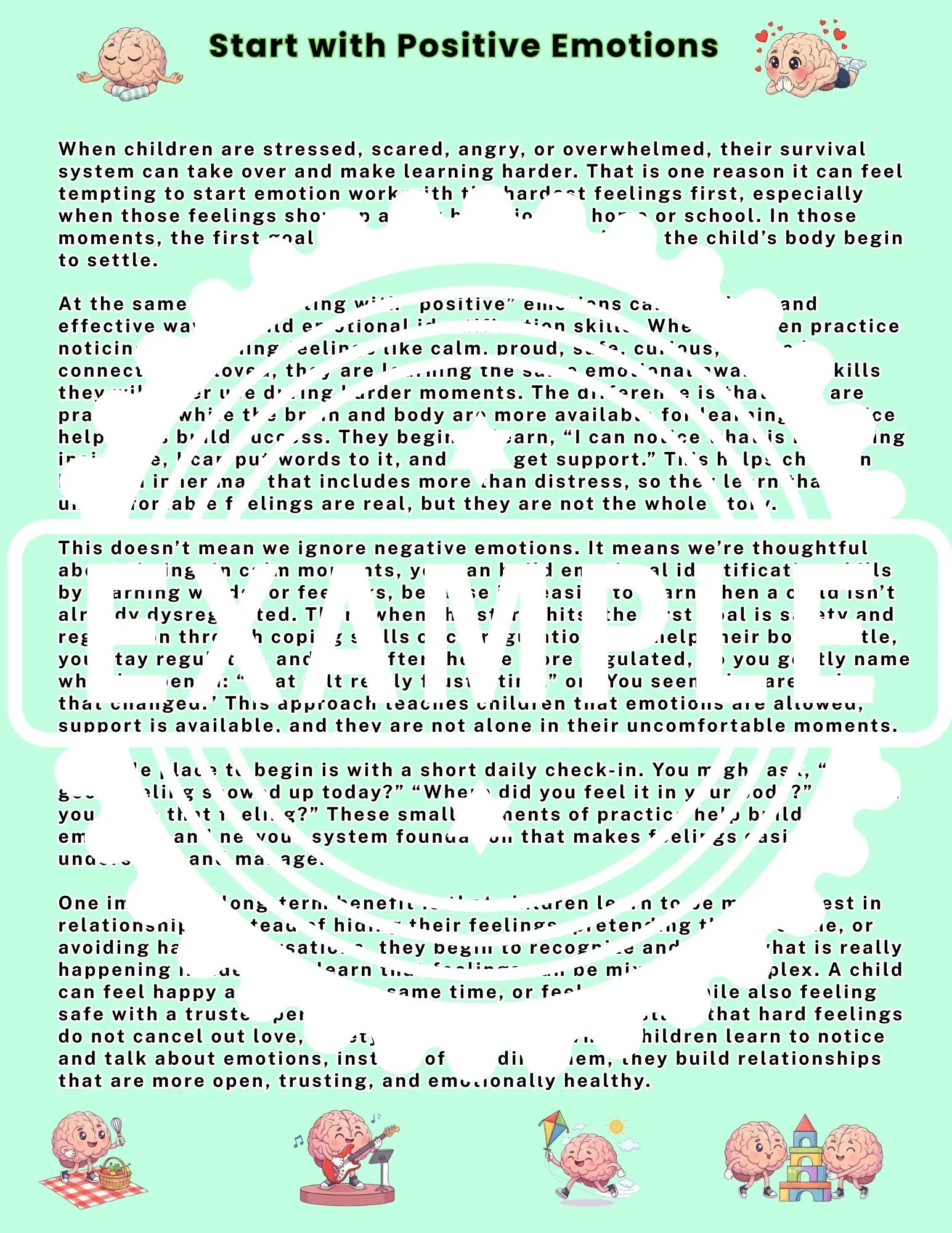 Image 6 of 19
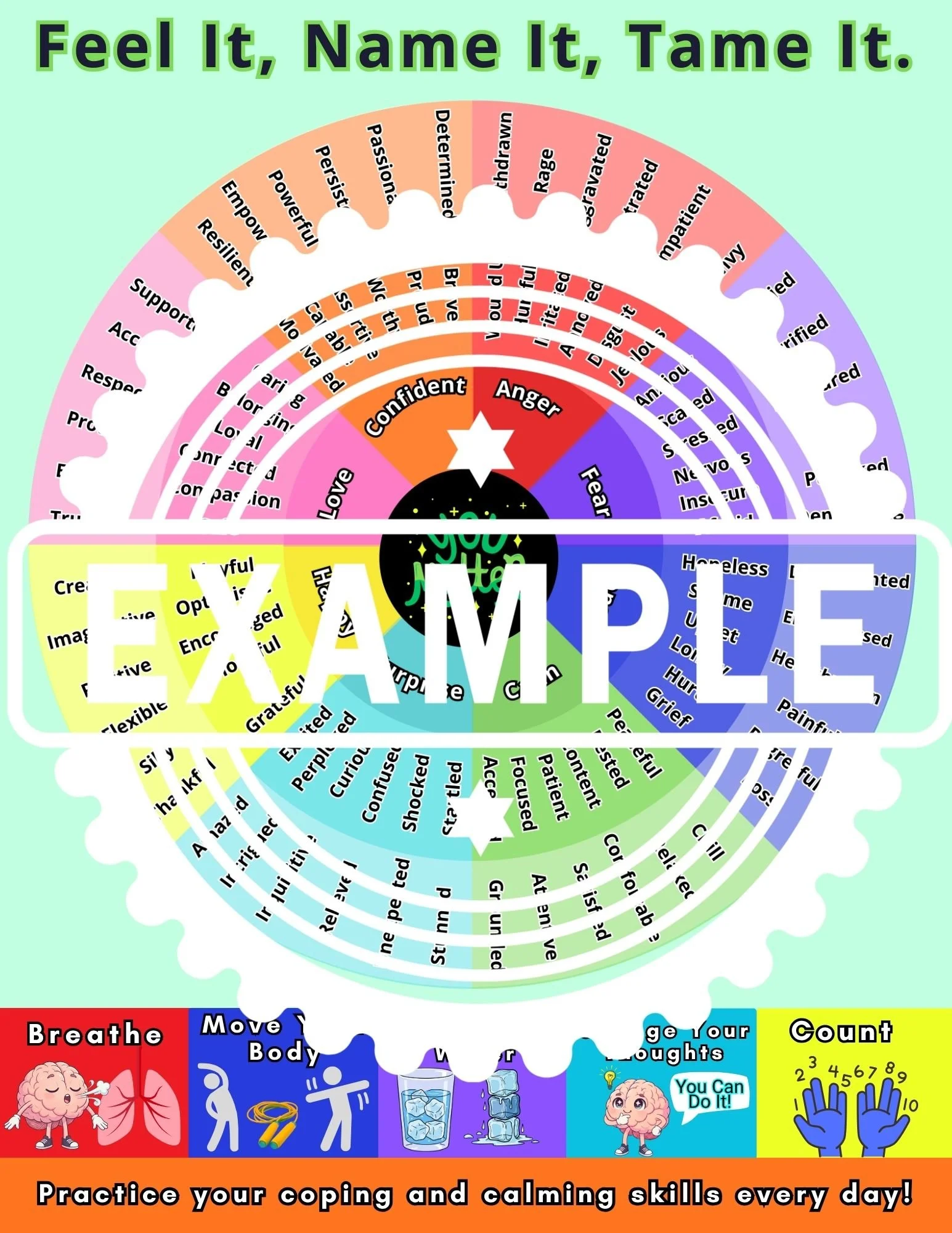 Image 7 of 19
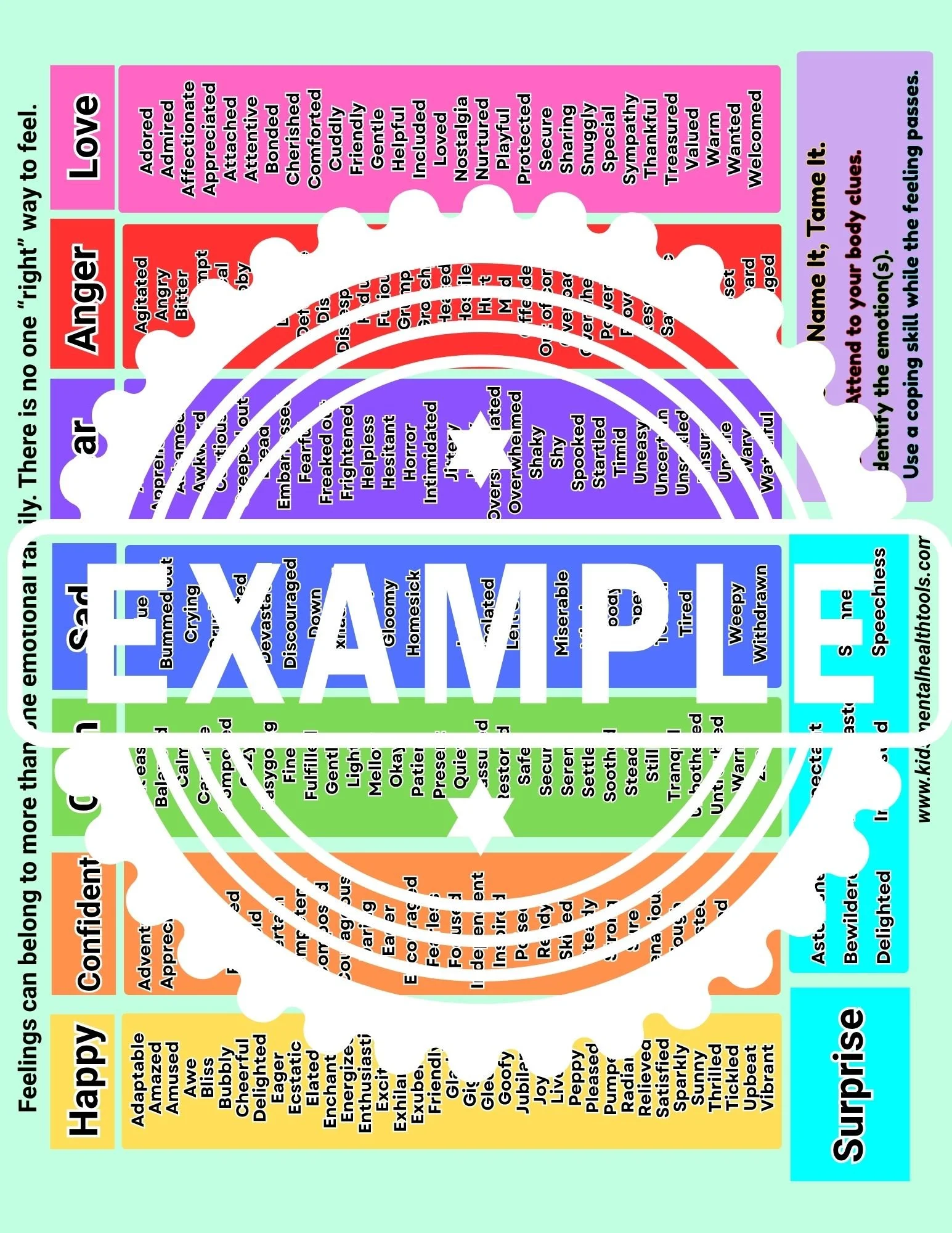 Image 8 of 19
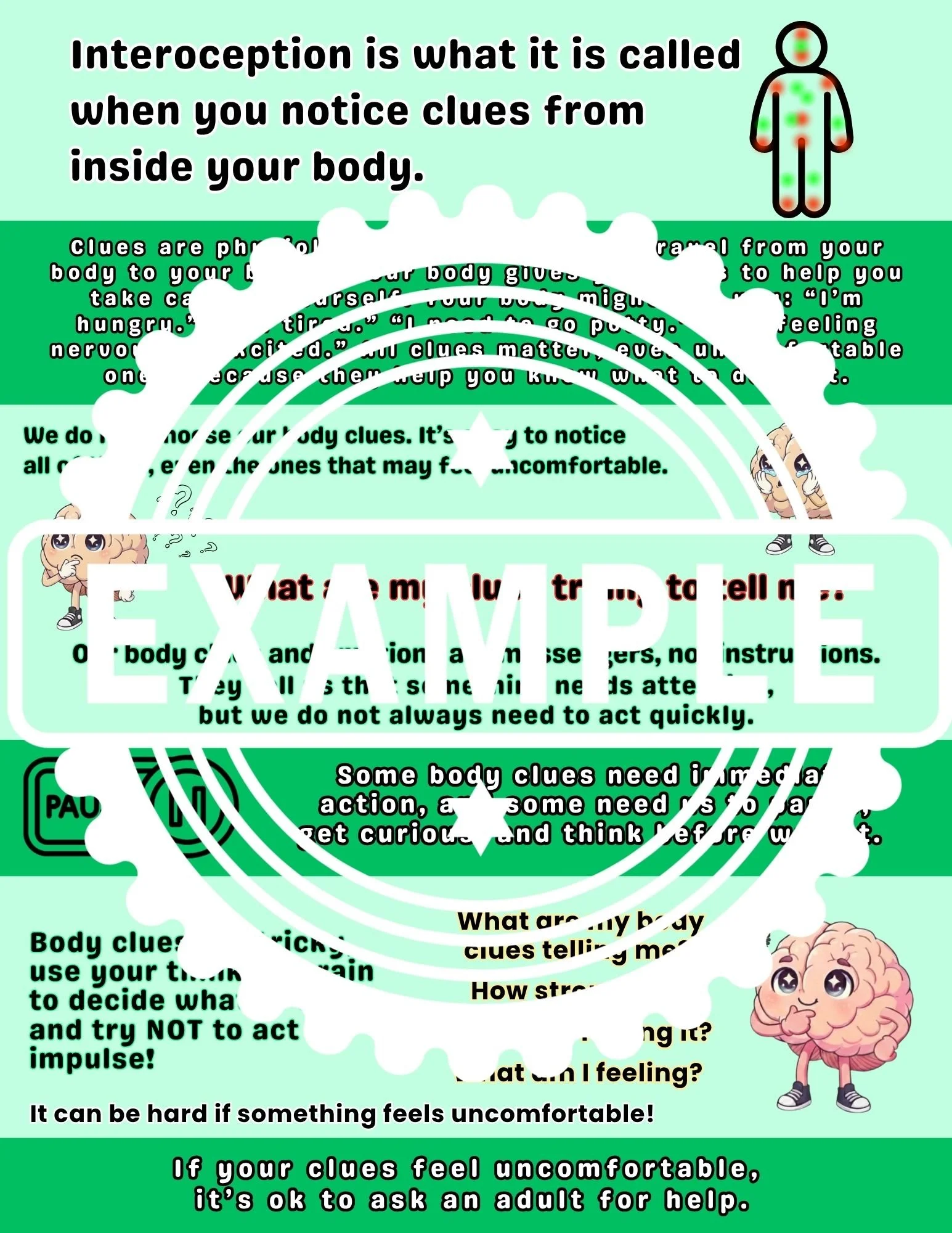 Image 9 of 19
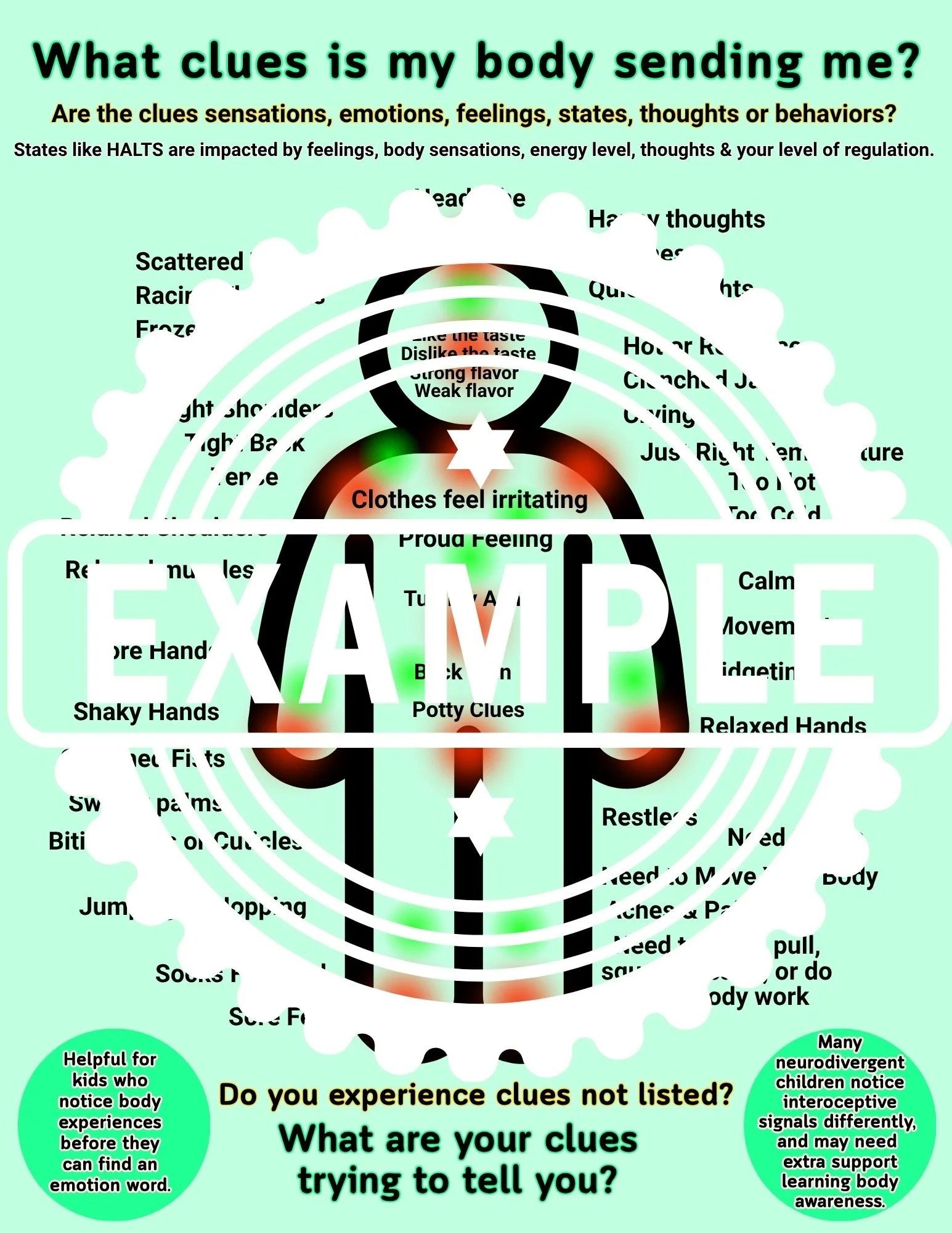 Image 10 of 19
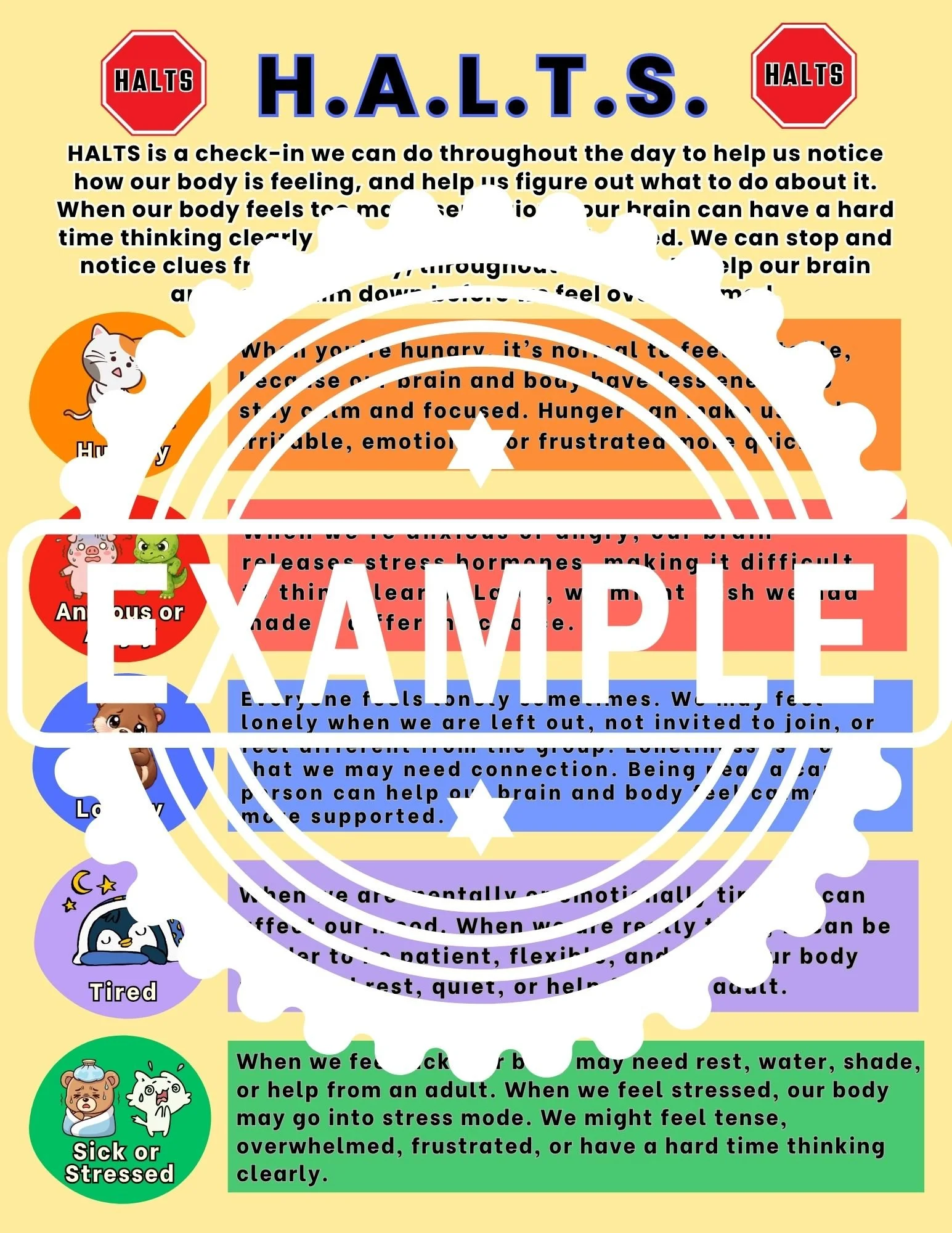 Image 11 of 19
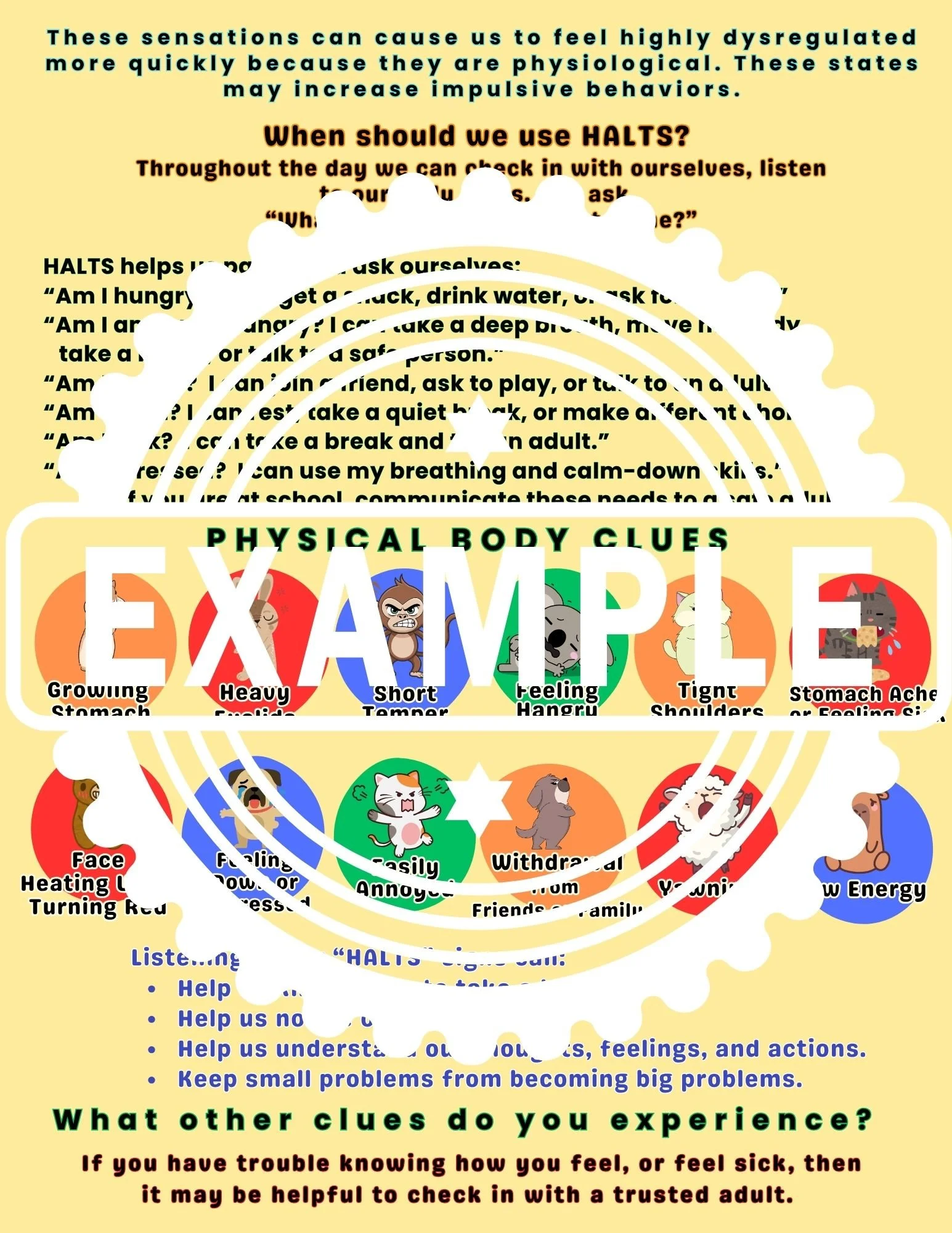 Image 12 of 19
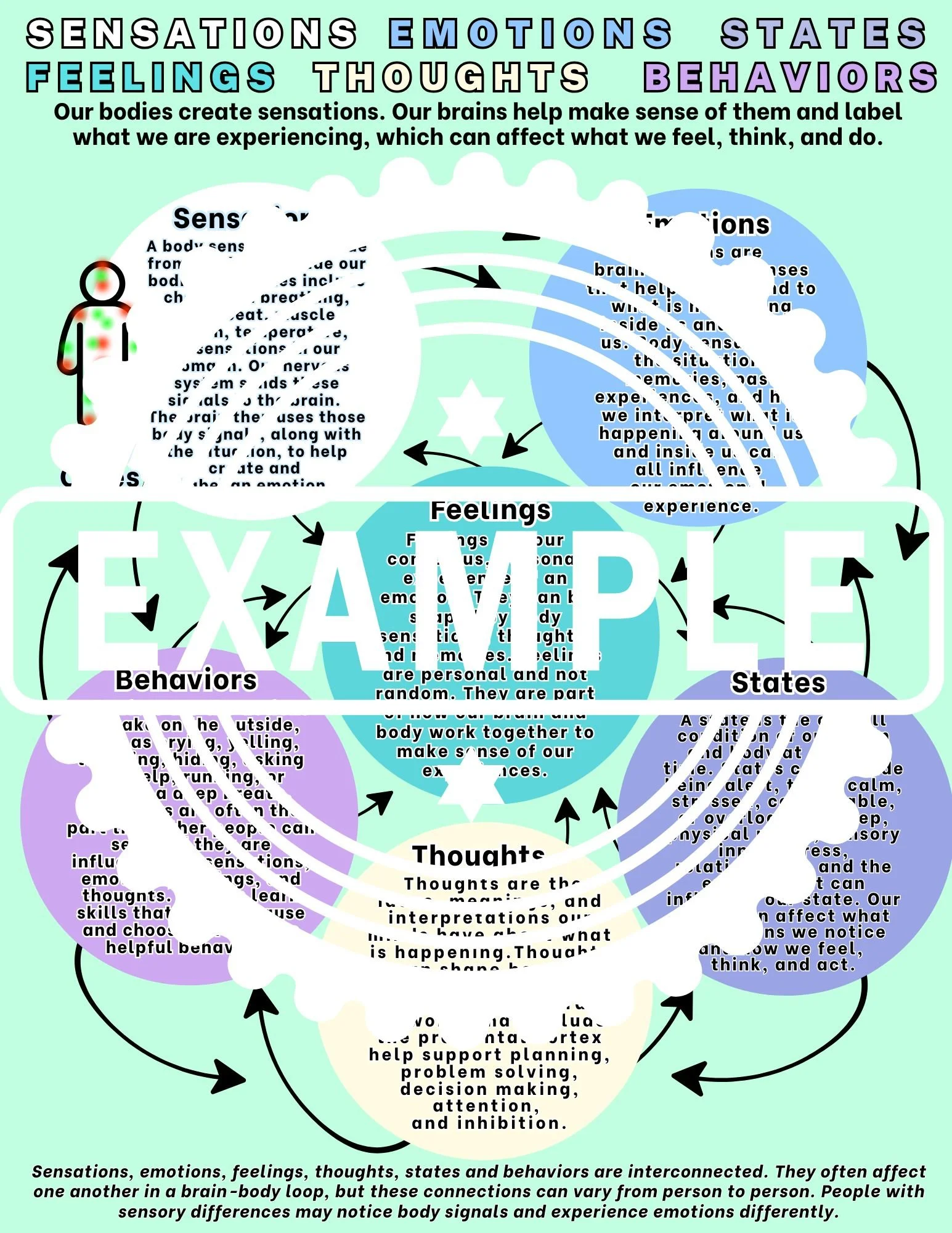 Image 13 of 19
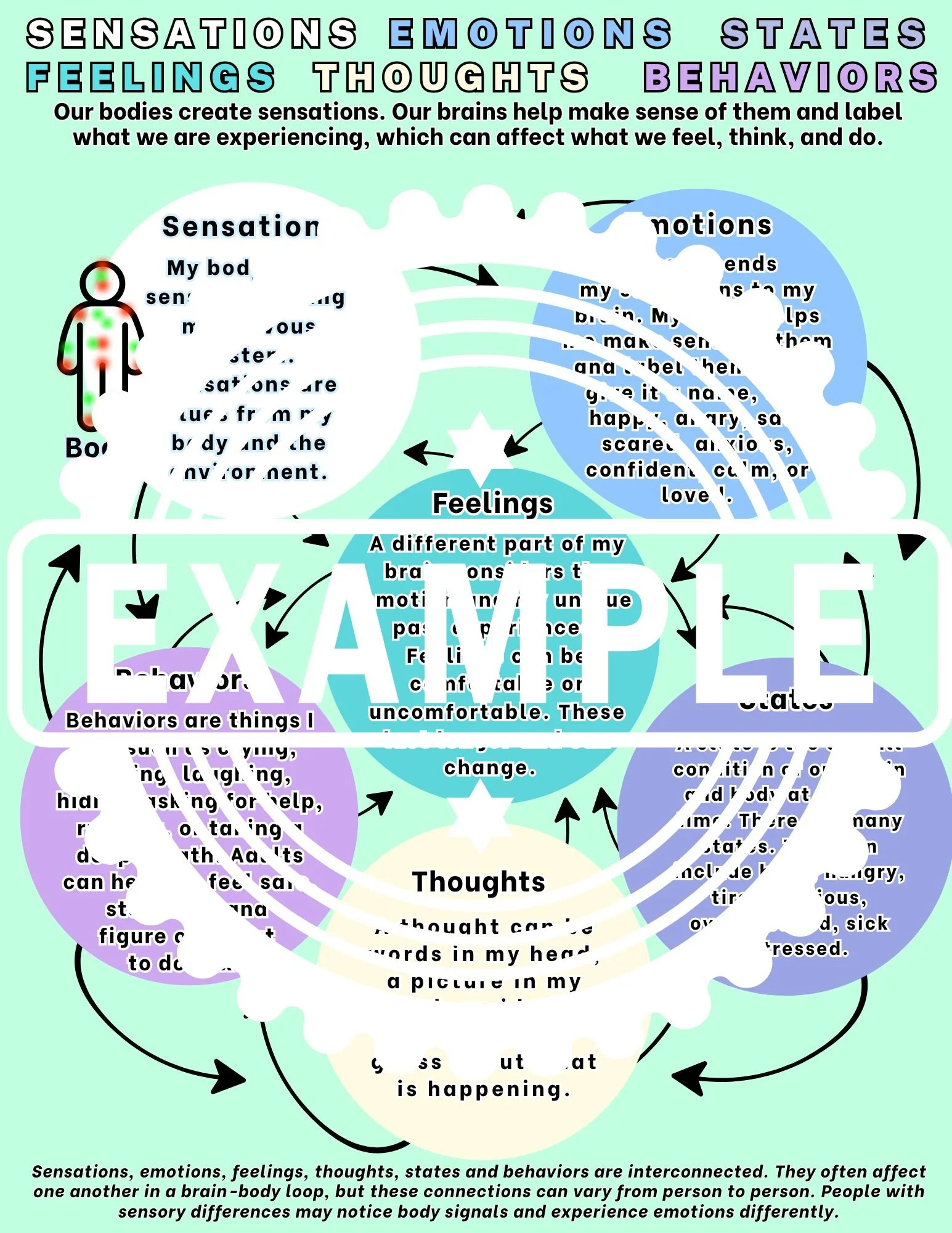 Image 14 of 19
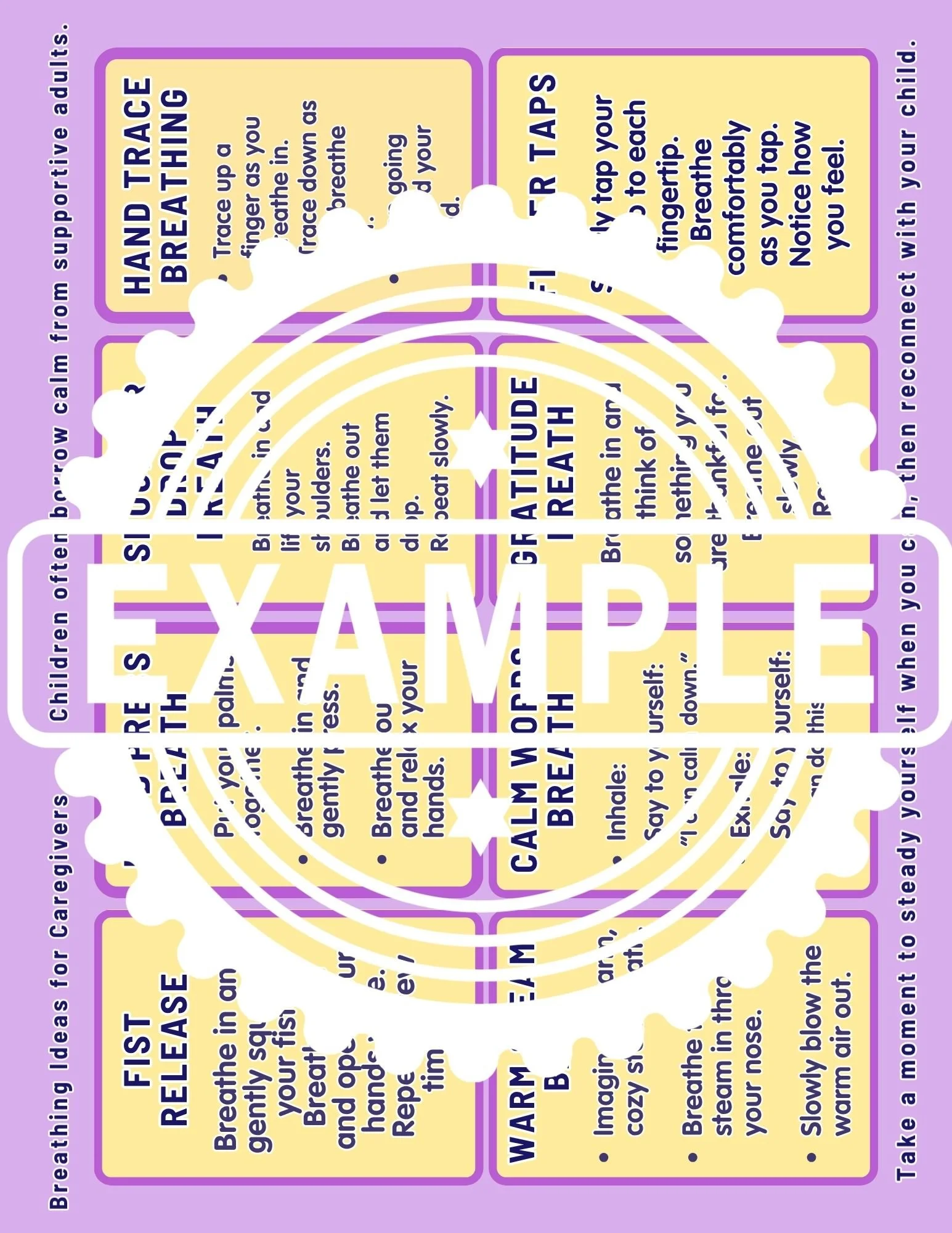 Image 15 of 19
 Image 16 of 19
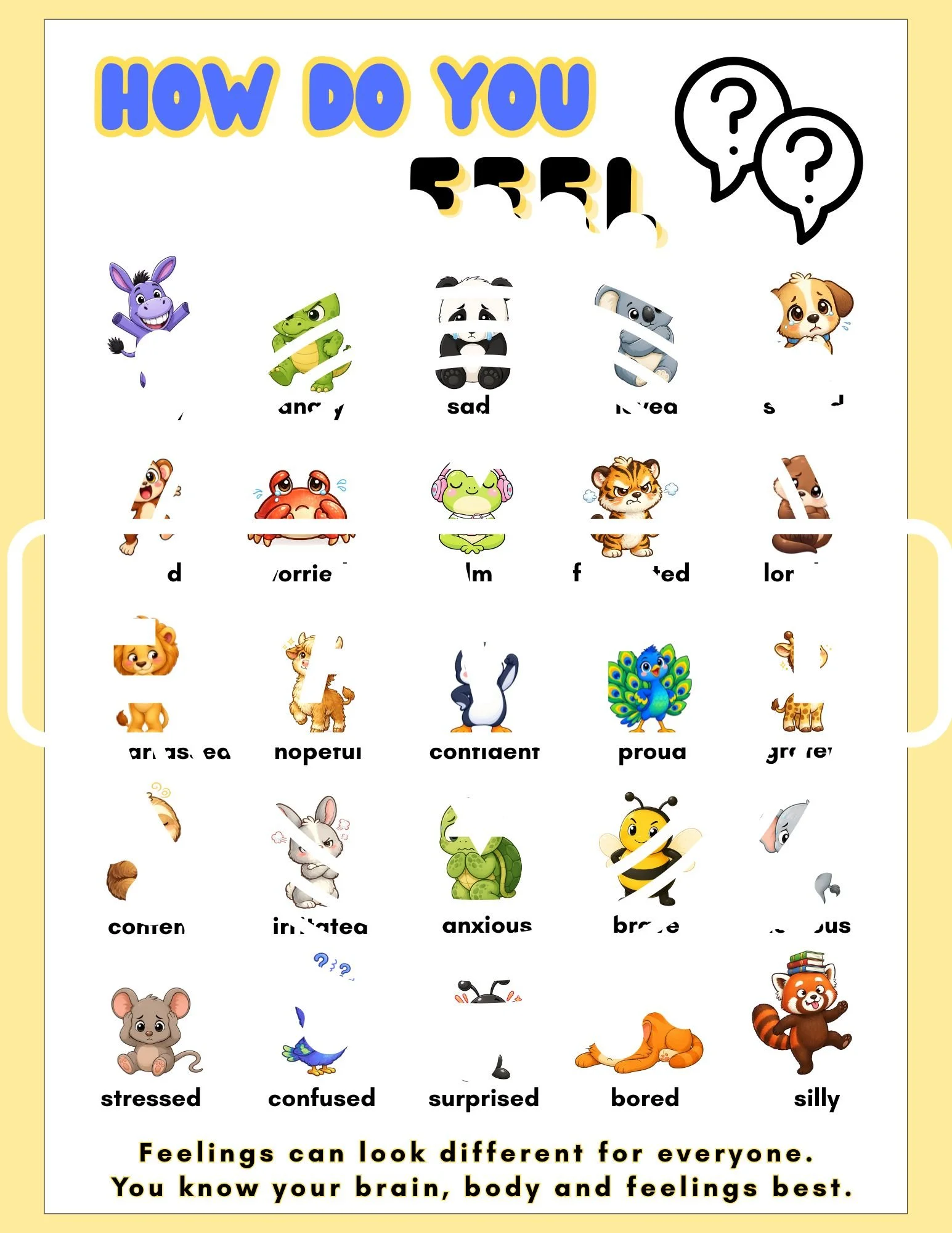 Image 17 of 19
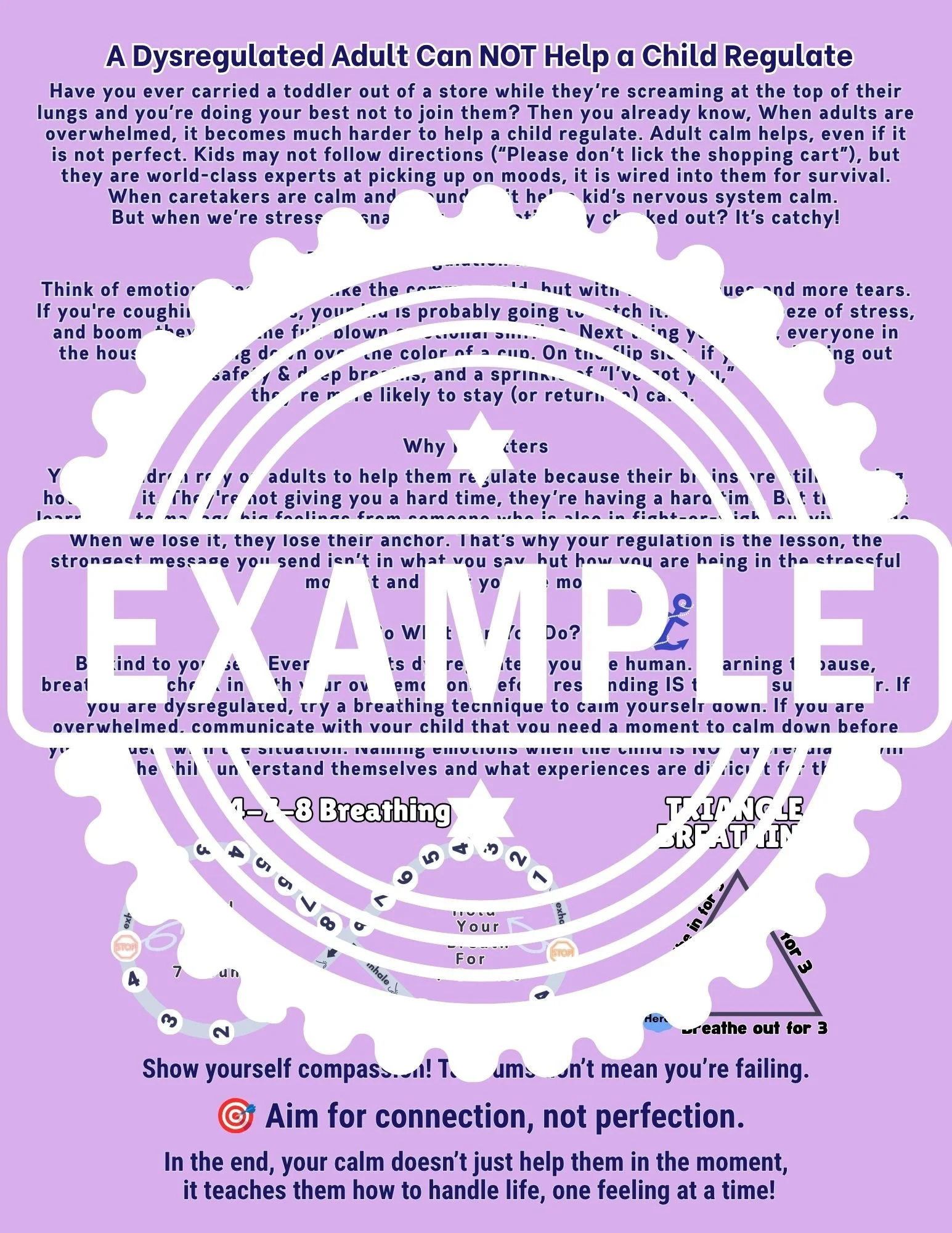 Image 18 of 19
 Image 19 of 19